Ceasefire Crash: Oil Tumbles 15% as US-Iran Deal Unwinds Global Price Instability
Just days ago, traders were pricing in a prolonged war between the United States and Iran, with fears of a blocked Strait of Hormuz driving oil toward extreme levels.
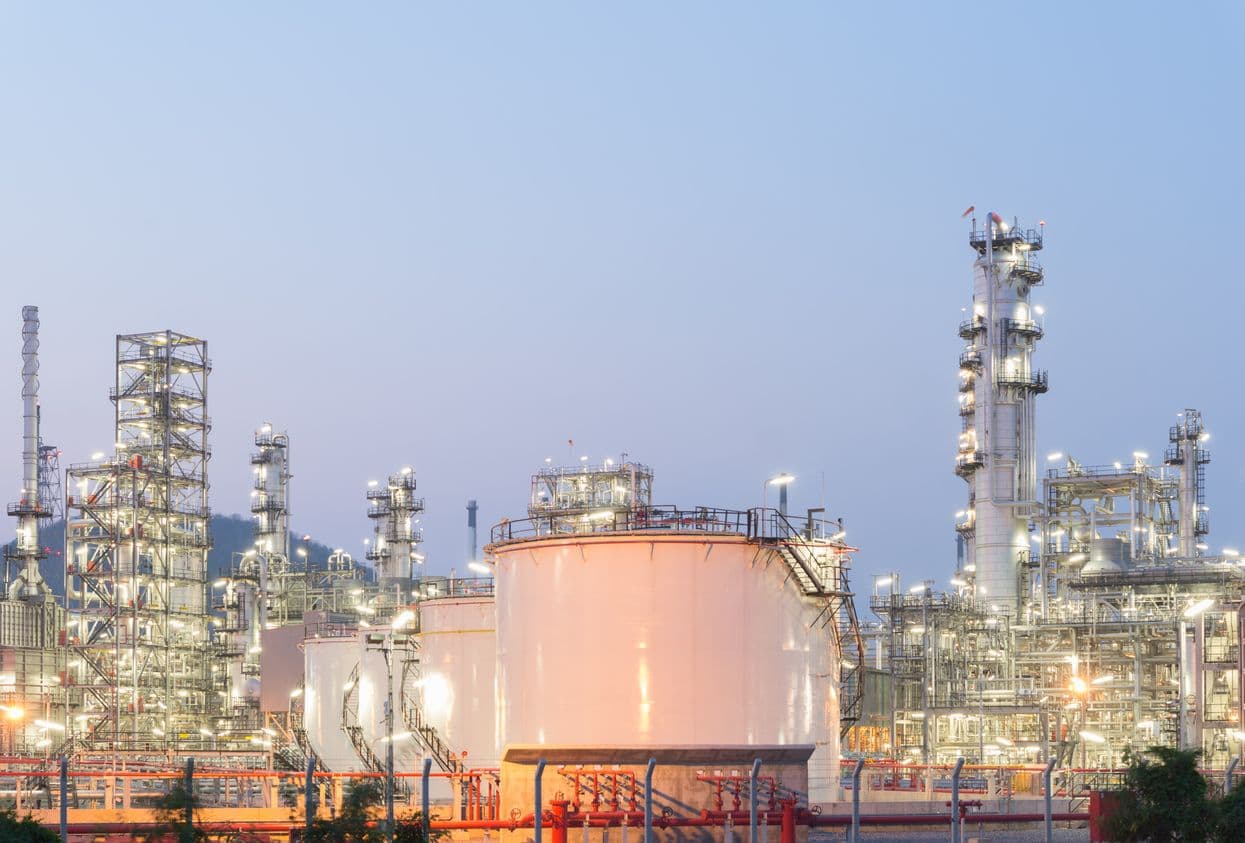
Most traders just watched Oil crash, stocks rally, and the Dollar bleed, as the market has completely flipped the script. Just days ago, traders were pricing in a prolonged war between the United States and Iran, with fears of a blocked Strait of Hormuz driving oil toward extreme levels.
Now?
A temporary ceasefire has triggered one of the fastest sentiment reversals of the year.
Oil is collapsing. Equities are surging. The US dollar is losing momentum. Traders who were positioned for fear are now being forced to reposition for relief.
This is not just a news story.
This is a full-blown macro regime shift.
The two-week ceasefire agreement between the US and Iran has immediately reduced fears of a major supply shock in the Middle East. Markets are now betting that oil shipments through the Strait of Hormuz will continue, at least temporarily, removing some of the war premium that had been built into crude prices.
The reaction has been violent.
WTI Crude Oil has suffered one of its biggest drops in years, falling sharply from war-driven highs as traders unwind long oil positions. In some sessions, crude has plunged more than 15%, with Brent briefly falling toward the low-$90 region.
At the same time, stock futures and global equities are rallying hard.
The market is rotating away from defensive positioning and back into growth, tech, airlines, cyclicals, and other risk-sensitive sectors. Energy stocks, which had benefited from the war premium in oil, are now under pressure as crude prices cool.
The biggest loser so far may be the US dollar.
During the peak of the conflict, the dollar rallied because investors wanted safety and liquidity. But once ceasefire headlines hit, traders dumped safe-haven positions and rotated into higher-risk assets. That has created downside pressure on the dollar, particularly against currencies like the euro, pound, and commodity-linked currencies.
For forex traders, this is where things get interesting.
The market has moved from “risk-off” to “risk-on” in record time:
* Oil down
* Stocks up
* Dollar down
* Commodity currencies recovering
* Gold mixed
* Volatility still elevated
This creates major opportunities in pairs like:
* EURUSD
* GBPUSD
* AUDUSD
* USDCAD
* XAUUSD
The pair to watch closely may be USDCAD.
Why?
Because the ceasefire weakens the dollar, but falling oil also reduces support for the Canadian dollar. That creates conflicting forces and potential two-way volatility.
However, traders should not get too comfortable.
This ceasefire is temporary. It is only a two-week pause, and the market knows it.
If tensions rise again, oil could spike aggressively, safe-haven flows could return, and the dollar could reverse sharply higher. Some analysts warn that if the ceasefire breaks down, crude could quickly retest $100 or more.
This is the kind of environment where one headline can erase an entire week of price action in a few hours.
That means traders should focus less on prediction and more on reaction.
In this market:
* Headlines matter more than indicators
* Macro sentiment matters more than chart patterns
* Flexibility matters more than conviction
Right now, the market is not pricing certainty.
It is pricing hope.
And hope is one of the most volatile assets in trading.