How the U.S, Israel, Iran Conflict Is Driving Price Actions in the Financial Market
Geopolitical conflict is one of the strongest catalysts for macro-driven volatility in financial markets. The ongoing confrontation involving the United States, Israel, and Iran has triggered a classic risk-off environment, reshaping capital flows across the market.
Overview
Geopolitical conflict is one of the strongest catalysts for macro-driven volatility in financial markets. The ongoing confrontation involving the United States, Israel, and Iran has triggered a classic risk-off environment, reshaping capital flows across the market.
For traders, the situation is less about the politics and more about how the conflict alters liquidity flows, energy prices, and central-bank expectations. These factors directly influence currency strength, volatility regimes, and trading opportunities.
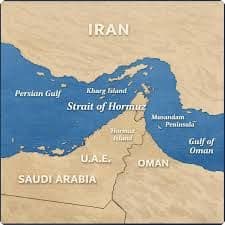
1. The Core Driver: Oil and the Strait of Hormuz
The most immediate market transmission channel is energy supply risk.
Iran sits near the Strait of Hormuz, one of the world’s most critical oil shipping routes. Roughly one-fifth of global oil supply moves through this passage.
When military tensions rise around this region:
Oil supply risk increases Crude prices surge Global inflation expectations rise
This creates chain reactions across currency markets.
Currencies Impacted from Rising Oil Currency Typical Reaction CAD Strengthens (oil exporter) NOK Strengthens USD Often strengthens due to safe-haven flows JPY Gains/Loss during risk-off
Emerging markets like HUF, weakens.
For traders, oil becomes a leading indicator for FX moves during geopolitical crises.
2. Risk-Off Sentiment and Safe-Haven Currencies
When global uncertainty rises, institutional capital rapidly shifts toward liquid and stable assets.
The main safe-haven currencies are:
• USD • JPY • CHF
Why the USD Dominates

The US Dollar tends to gain the most because It is the global reserve currency. Also, U.S. Treasury markets provide massive liquidity as Institutions move funds there during uncertainty. Additionally, interest-rate expectations tied to the Federal Reserve can amplify USD strength. For traders, this typically produces:
• EURUSD downside pressure • GBPUSD weakness • USDJPY volatility and possible upswing
Volatility Expansion Across Major Pairs
War-driven uncertainty causes volatility expansion, which is important for traders using technical setups.
During geopolitical shocks:
Daily ranges increase Liquidity gaps appear during sessions False breakouts become more frequent
This environment favors:
short-term intraday traders breakout strategies news-driven trading
But it can impact traders relying purely on static technical indicators without macro context.
3. Inflation Shock and Interest Rate Expectations
Another key trading factor is inflation transmission through energy prices.
Higher oil prices lead to:
higher transportation costs increased manufacturing costs broader consumer inflation
This can delay expected rate cuts by central banks.
For example, if oil continues rising, the Federal Reserve may keep interest rates higher for longer to contain inflation.
Higher interest rates typically support the USD, especially against low-yield currencies like:
JPY CHF
Emerging Market Currency Pressure
Emerging market currencies usually suffer during geopolitical crises because investors pull capital from higher-risk economies.
Common patterns include:
capital flight to developed markets higher borrowing costs currency depreciation
This creates strong trends in pairs like:
• USDZAR • USDTRY • USDHUF
These moves are driven more by macro risk sentiment than traditional technical patterns.
4. Gold and FX Correlation
During war periods, traders often monitor Gold closely.
Gold usually rises because:
it is a traditional hedge investors seek protection from instability inflation expectations increase
In forex trading, strong gold rallies often coincide with:
weaker risk currencies stronger safe havens
This is why many traders monitor XAUUSD alongside USD pairs.
Key Trading Scenarios Going Forward
Traders should consider three possible market paths.
Scenario 1: De-Escalation
If diplomatic negotiations reduce tensions:
• Oil prices fall • Risk sentiment improves • USD weakens • Risk currencies rebound
Pairs like AUDUSD and EURUSD may rally.
Scenario 2: Prolonged Conflict
If the war continues:
• Oil stays elevated • Global inflation persists • USD remains strong • volatility continues
This favors trend trading strategies.
Scenario 3: Regional Escalation
If more Middle Eastern countries become involved:
• Oil could spike dramatically • Safe-haven flows accelerate • Extreme FX volatility appears
This environment typically produces large directional moves in USD pairs.
Practical Trading Framework for Geopolitical Events
Professional traders typically track these variables:
Oil price movement
Safe-haven demand
Central bank expectations
Bond yields
Risk sentiment in equities
Combining these macro indicators with technical structure produces more reliable trading decisions.
Final Insight for Traders
Wars rarely create random market movement. Instead, they shift the macro narrative, which then drives currency flows.
The current conflict between the United States, Israel, and Iran is primarily influencing forex through energy markets, safe-haven demand, and inflation expectations.
For traders, the real edge comes from linking geopolitical developments with macro-economic drivers rather than reacting purely to price charts.